🚛 Truck Suspension: How to Identify and Resolve Common Issues
A truck’s suspension plays a vital role in stability, comfort, and driving safety. It absorbs shocks, maintains the grip of the truck wheels, and ensures balanced weight distribution. A failure in this system can not only compromise optimal driving performance but also increase the risk of accidents or premature wear on other components.
The signs of a suspension problem should never be ignored. They can manifest as unusual noises, degraded handling, or irregular tire wear. Identifying these symptoms early helps prevent costly repairs and extended downtime.
In brief 🚚
⚠️ Signs to watch for: noise, wandering, leaning, irregular tire wear.
🛠️ Effective diagnosis: visual inspection and electronic tools to identify faults.
🔧 Regular maintenance: checking and replacing components to prevent failures.
⏱️ Recommended replacement: act at the first signs of wear to extend the truck’s lifespan.
Revealing Signs of a Suspension Problem
Several indicators can alert you to a suspension malfunction. For example, a truck that leans to one side may reveal an imbalance in the system. Similarly, excessive bouncing or a “wandering” sensation while driving a truck is often synonymous with a faulty shock absorber or damaged air suspension.
Another sign to watch for is abnormal tire wear. If the truck wheels show uneven wear patterns, it could indicate a geometry issue or a defect in the suspension components. Finally, fluid leaks around the shock absorbers or dust boots are clear signs that intervention is required.

How to Inspect Wear and Diagnose Faults
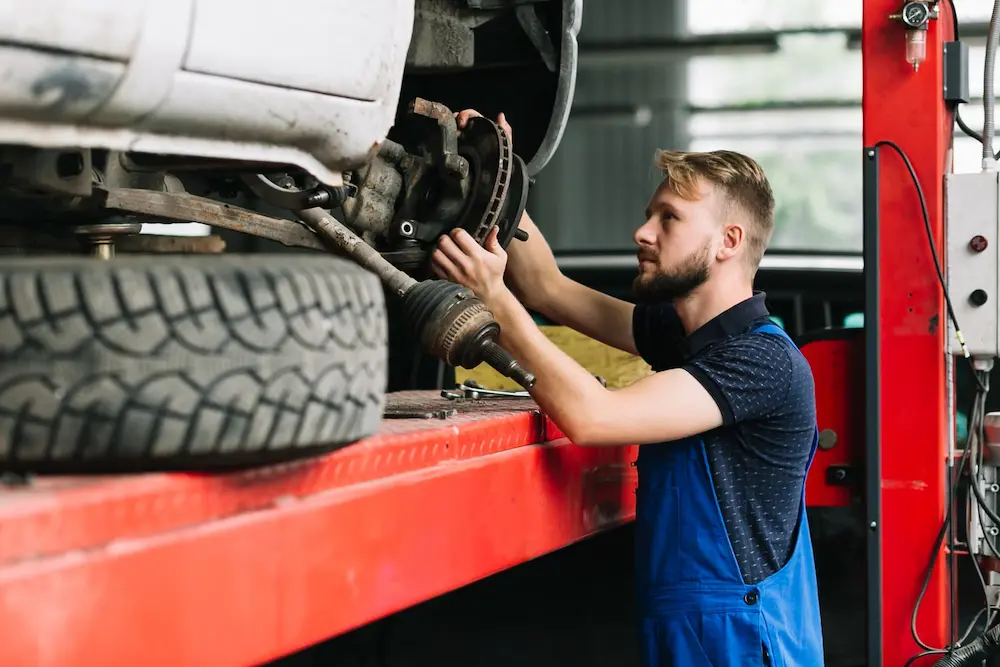
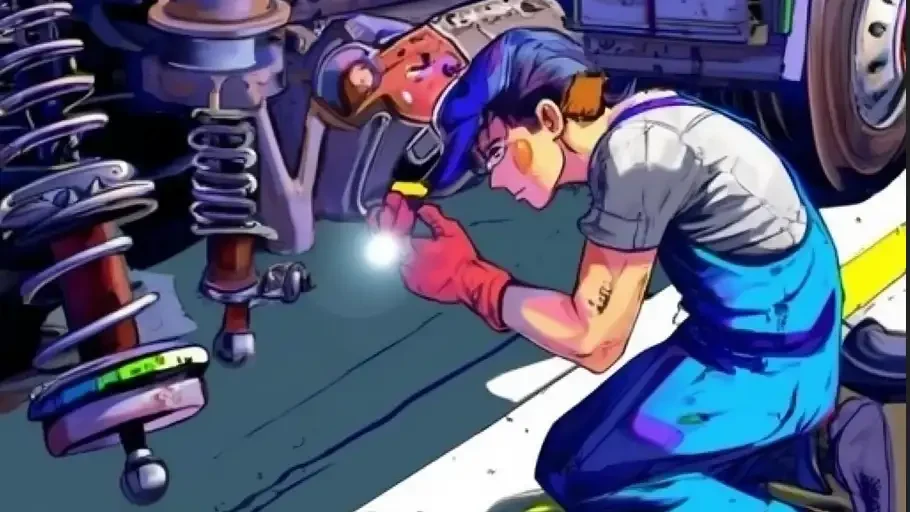
An accurate diagnosis begins with a visual inspection of the suspension elements. It is recommended to check for wear on the shock absorbers, springs, bushings, and ball joints. These parts, subjected to significant mechanical stress, can deteriorate over time and require replacement.
For trucks equipped with an Iveco Daily air suspension kit, for example, it is essential to check the condition of the air springs and compressors. A loss of pressure or cracks in the bellows can lead to decreased performance and discomfort while driving.
Using electronic diagnostic tools can also help detect anomalies that are not visible to the naked eye.

The Importance of Regular Maintenance to Prevent Breakdowns
Regular maintenance is the best way to prevent suspension problems. This includes periodic component checks, greasing moving parts, and replacing worn elements. Neglecting these steps can lead to cascading failures, affecting not only the suspension but also other truck systems.
Replacing defective parts with new ones is often the most reliable solution. Using original equipment manufacturer (OEM) or high-quality equivalent parts guarantees durability and optimal performance. For instance, opting for a suspension kit specifically suited to your truck model allows you to restore original characteristics and ensure better driving performance.
When Should You Replace a Truck’s Suspension?
The lifespan of a suspension depends on several factors: the type of roads traveled, the load carried, and the quality of the components. On average, shock absorbers should be replaced every 80,000 to 120,000 kilometers, while springs and other elements may last longer. However, as soon as signs of fatigue or failure appear, it is advisable to act quickly.
Replacing a full suspension or specific components requires technical expertise. Hiring a professional ensures that the work is performed according to manufacturer standards and that the new parts used are compatible with the vehicle. A well-maintained suspension extends the life of the truck and improves road safety.
FAQ – Truck Suspension Problems
What are the signs of a failing truck suspension?
Unusual noises, excessive bouncing, wandering, the truck leaning to one side, irregular tire wear, or leaks on the shock absorbers and boots.
How do you diagnose a suspension fault?
Visual inspection of shock absorbers, springs, bushings, and ball joints; checking air bags for air suspensions; and using electronic diagnostic tools to detect invisible anomalies.
How often should suspension maintenance be performed?
Regular component checks, greasing moving parts, and replacing worn elements according to manufacturer recommendations—generally every 80,000 to 120,000 km for shock absorbers.
When should the suspension or its components be replaced?
As soon as signs of fatigue, wear, or failure appear. Consulting a professional guarantees an installation that meets standards and ensures optimal durability.
Can you drive with a defective suspension?
It is not recommended. A faulty suspension reduces stability, increases the risk of accidents, and causes premature wear on tires and other components.

À découvrir

Installing Parking Sensors: Complete Guide & 2026 Prices
Learn how to install parking sensors on your car. Our guide covers installation steps, costs, and professional service options for 2026.

Peugeot e-208 GTi 2026: Price, Range & Performance
October 30, 2026
🚗Car Accessories: 2026 Guide & Top Essentials
November 7, 2026